A low-cost mobile array for repeated, geolocated measurements across agricultural and urban environments.
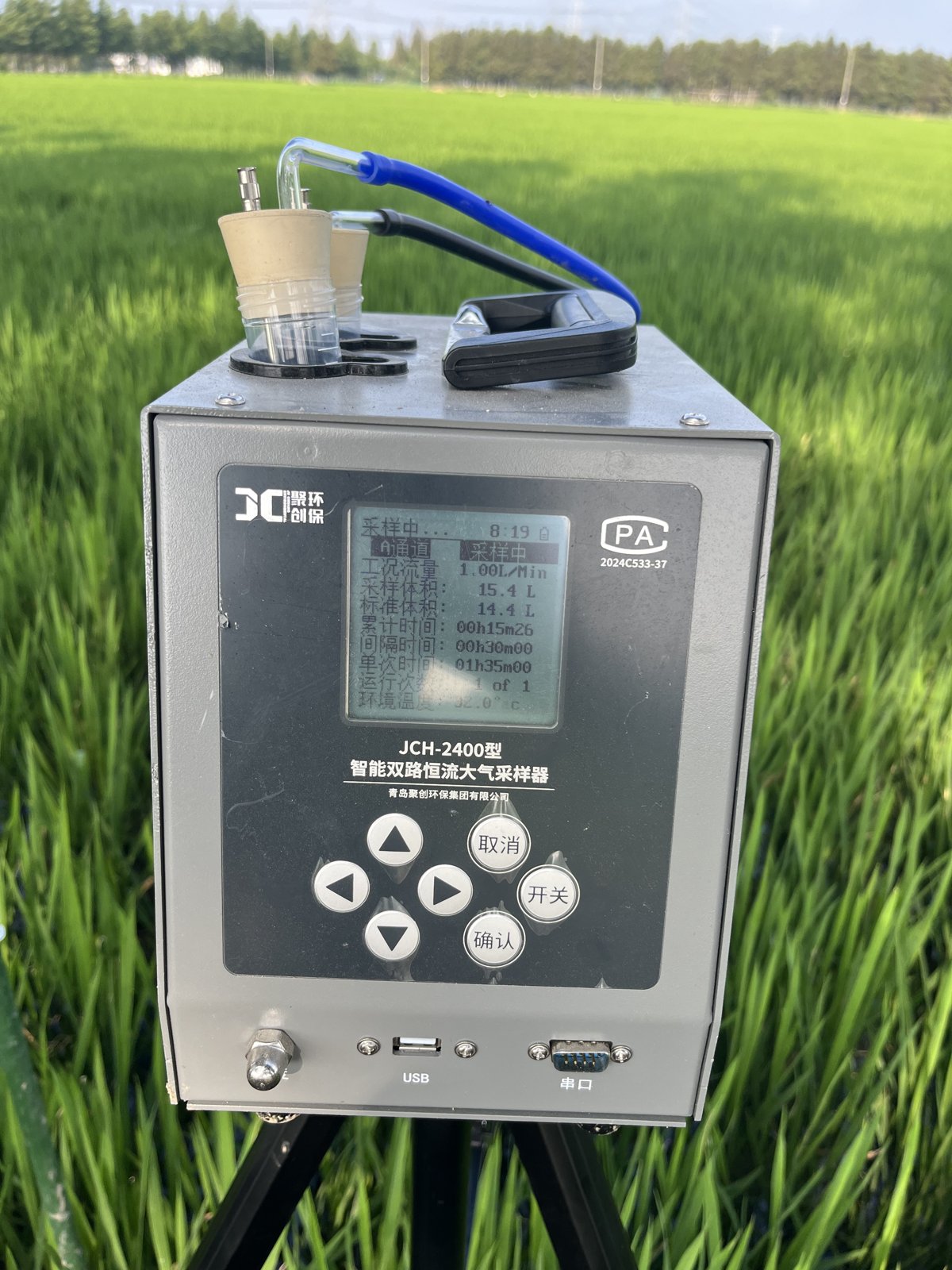
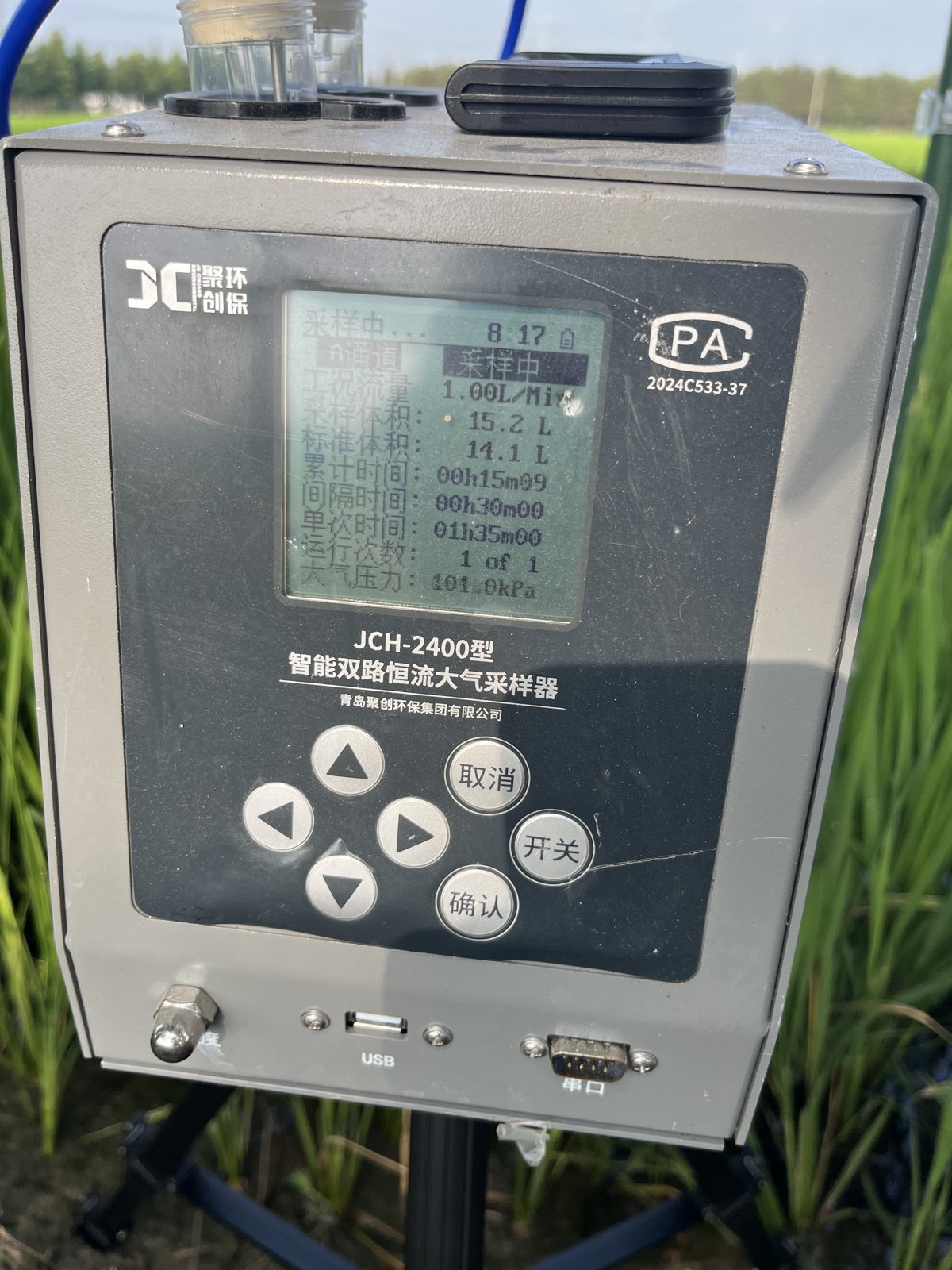
The field sampler and setup beside the plots.The field sampler and setup beside the plots.The field sampler and setup beside the plots.The field sampler and setup beside the plots.
01 / A starting point
Precision revealed a timing problem.
During pesticide field research, I worked with a sampler alongside the plots. Compound-specific laboratory tests provide precise measurements, but collecting, extracting, and analyzing each sample takes time and resources.
That limitation suggested a different engineering question: what could a low-cost mobile system measure immediately and repeatedly, without pretending to replace laboratory analysis?
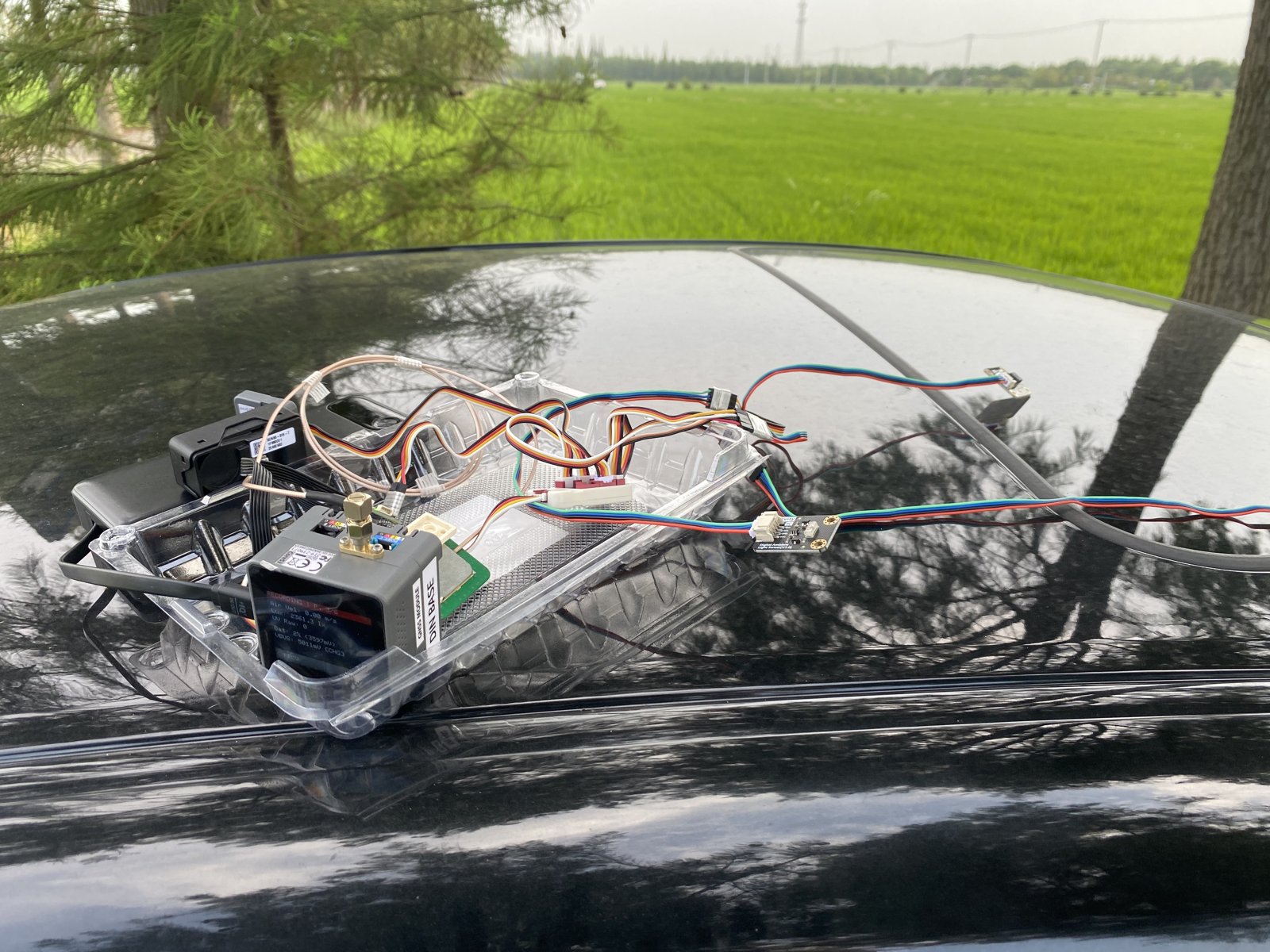
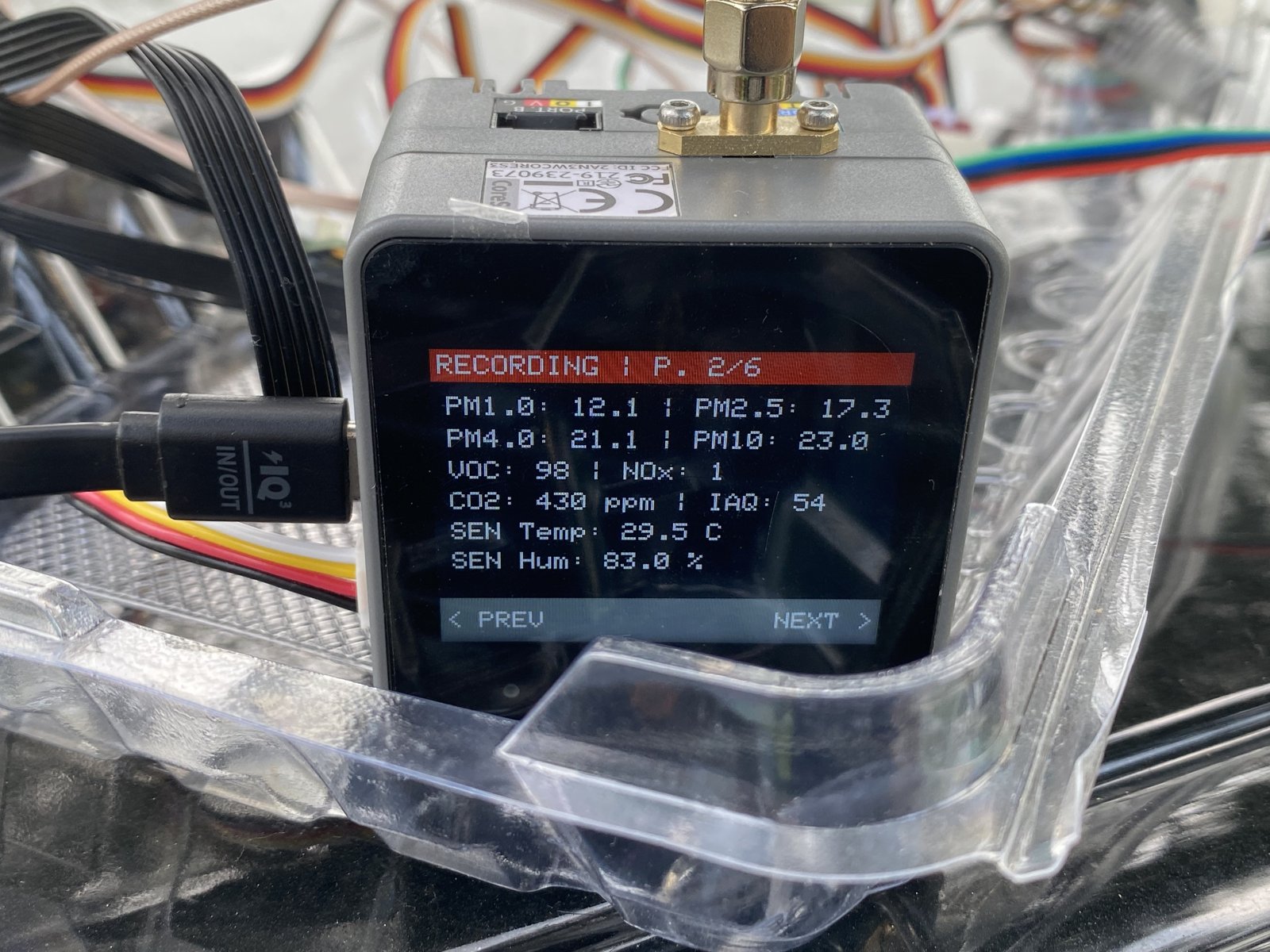
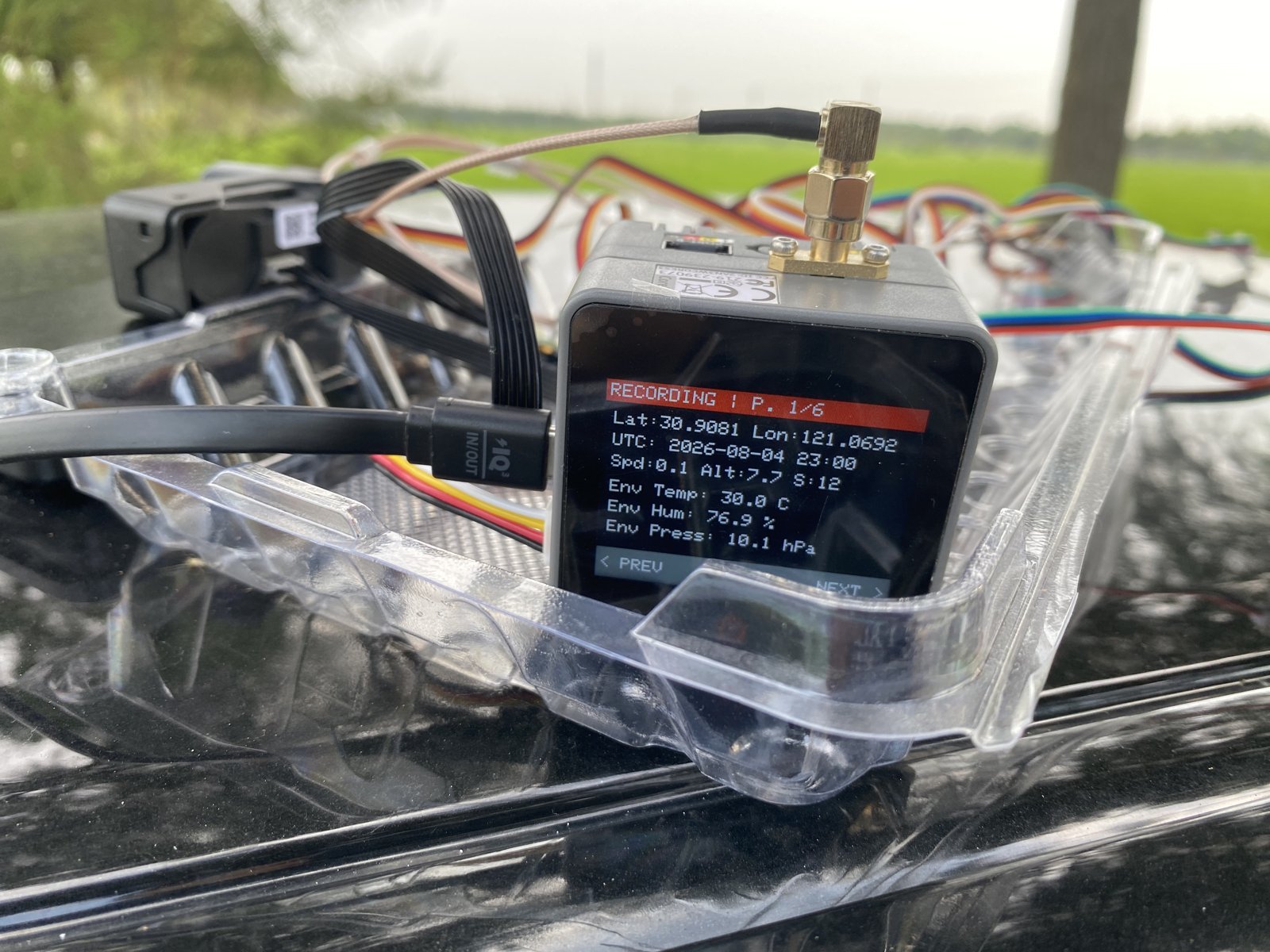
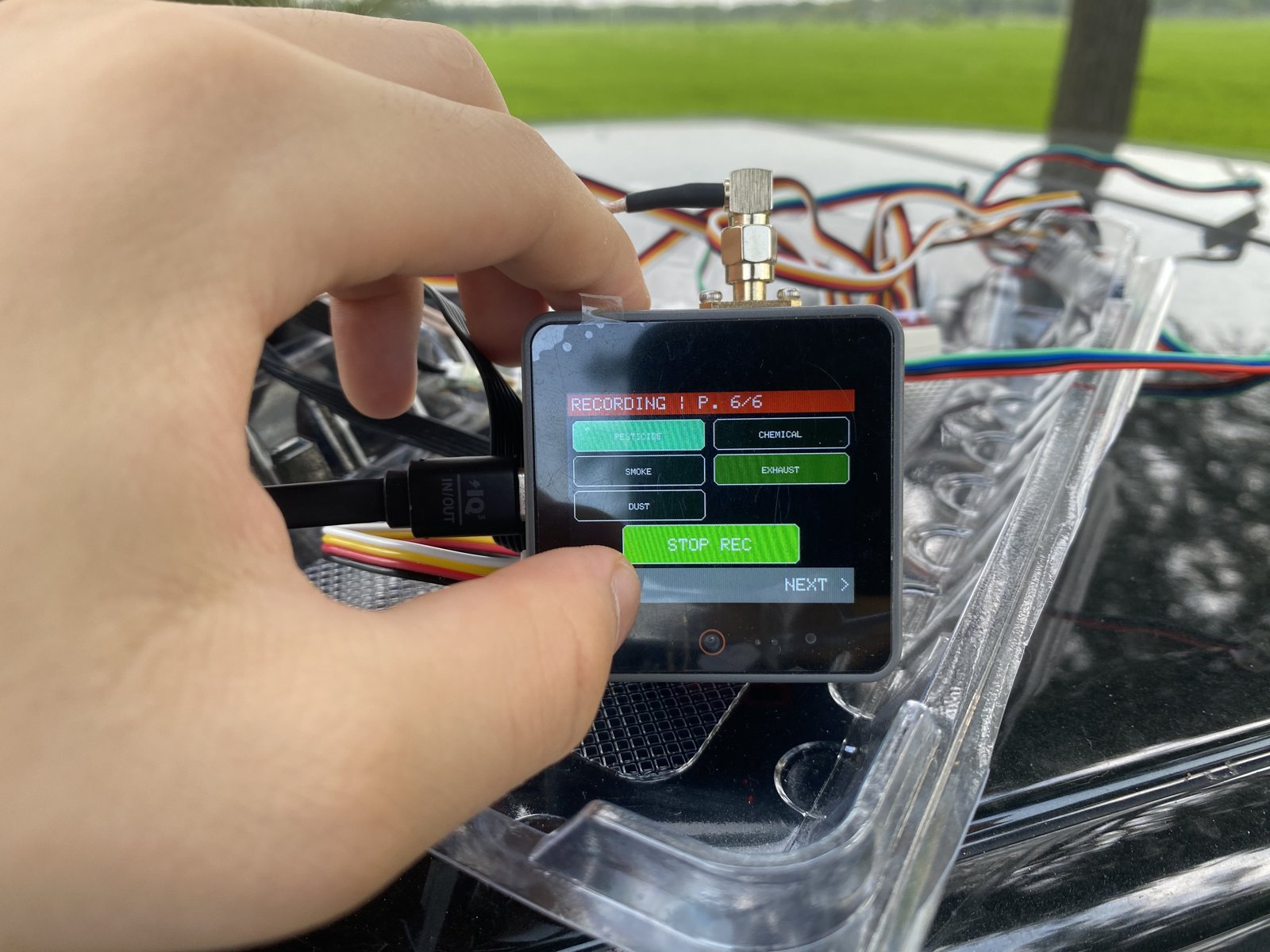
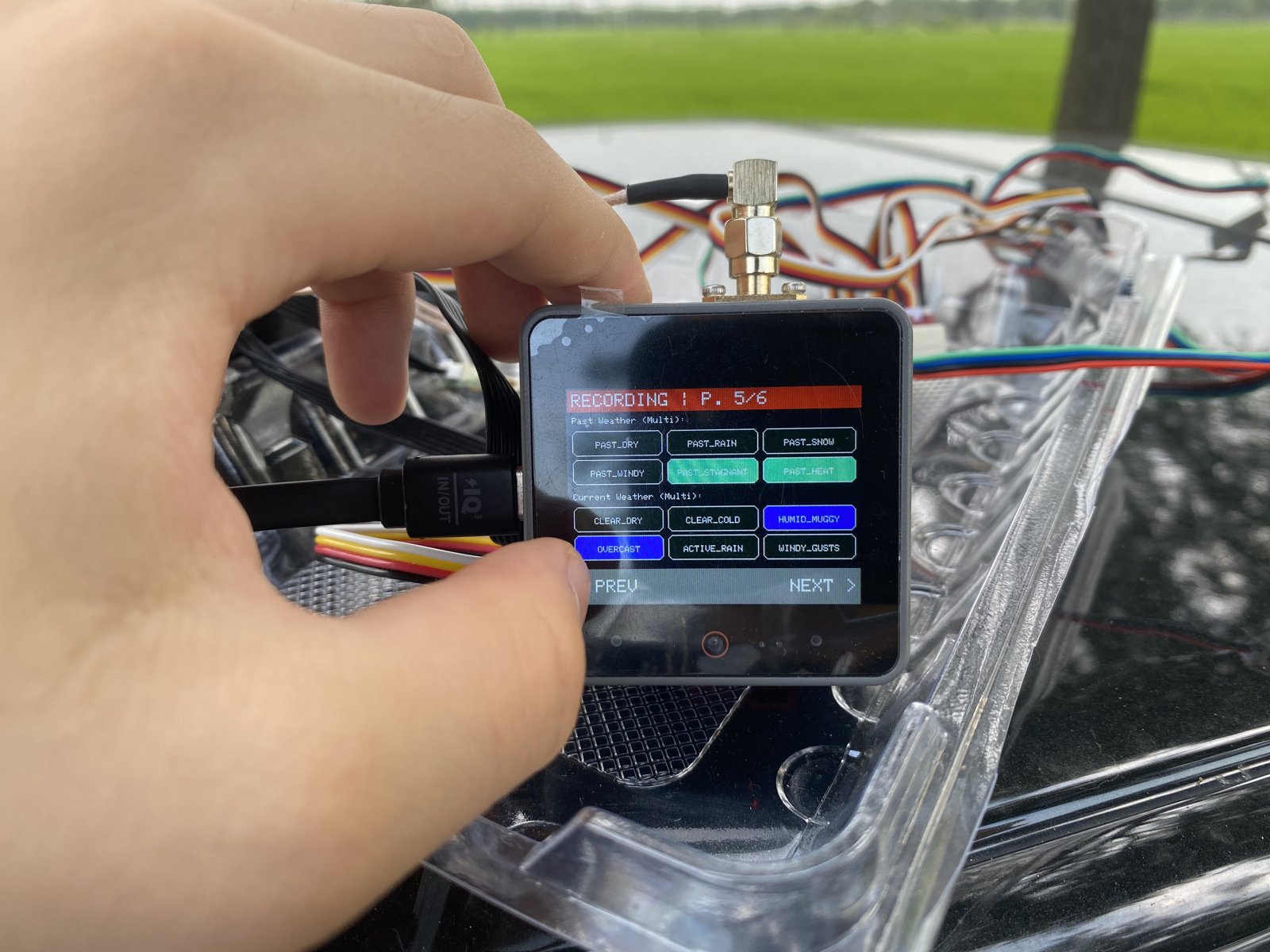
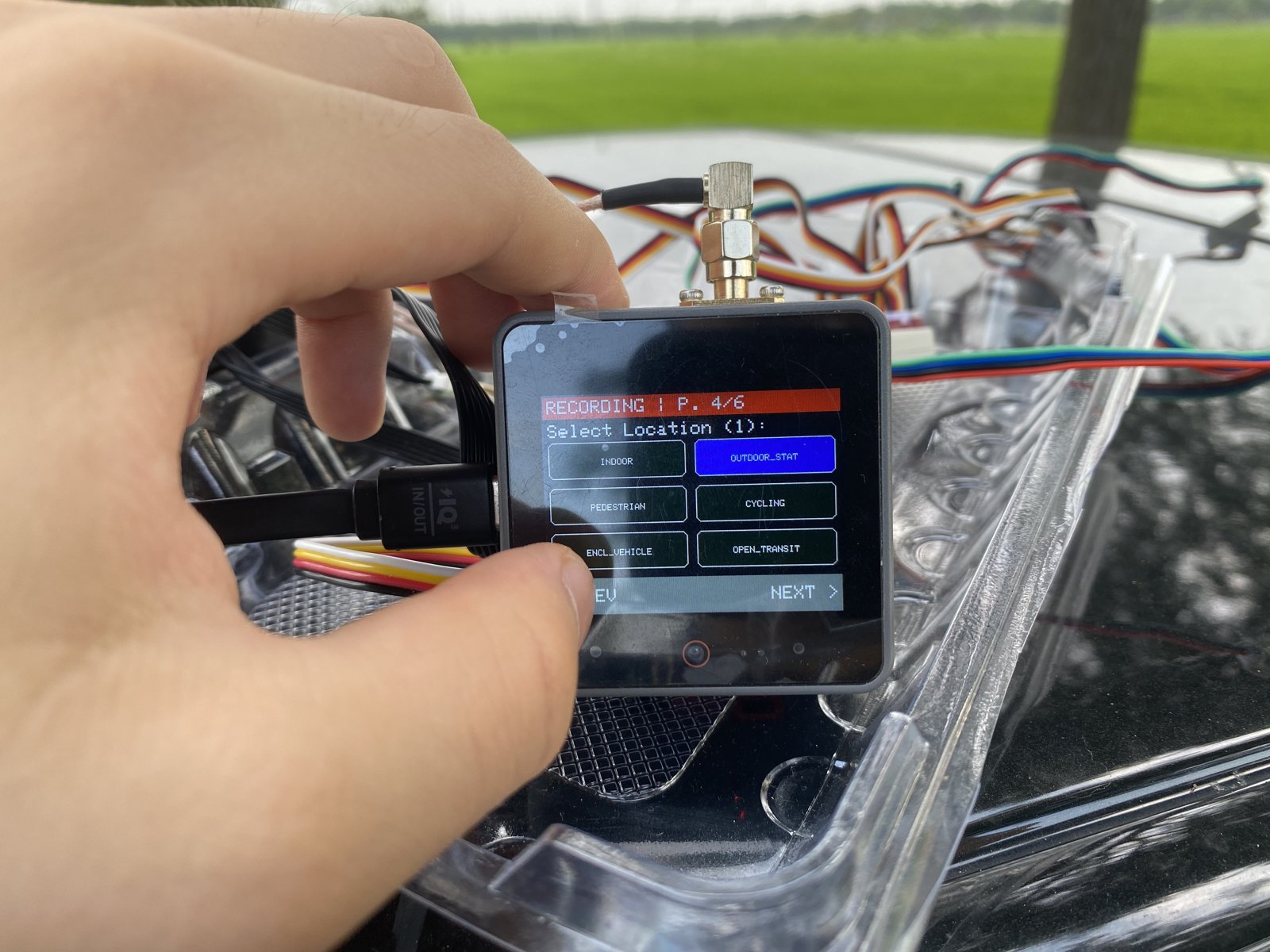
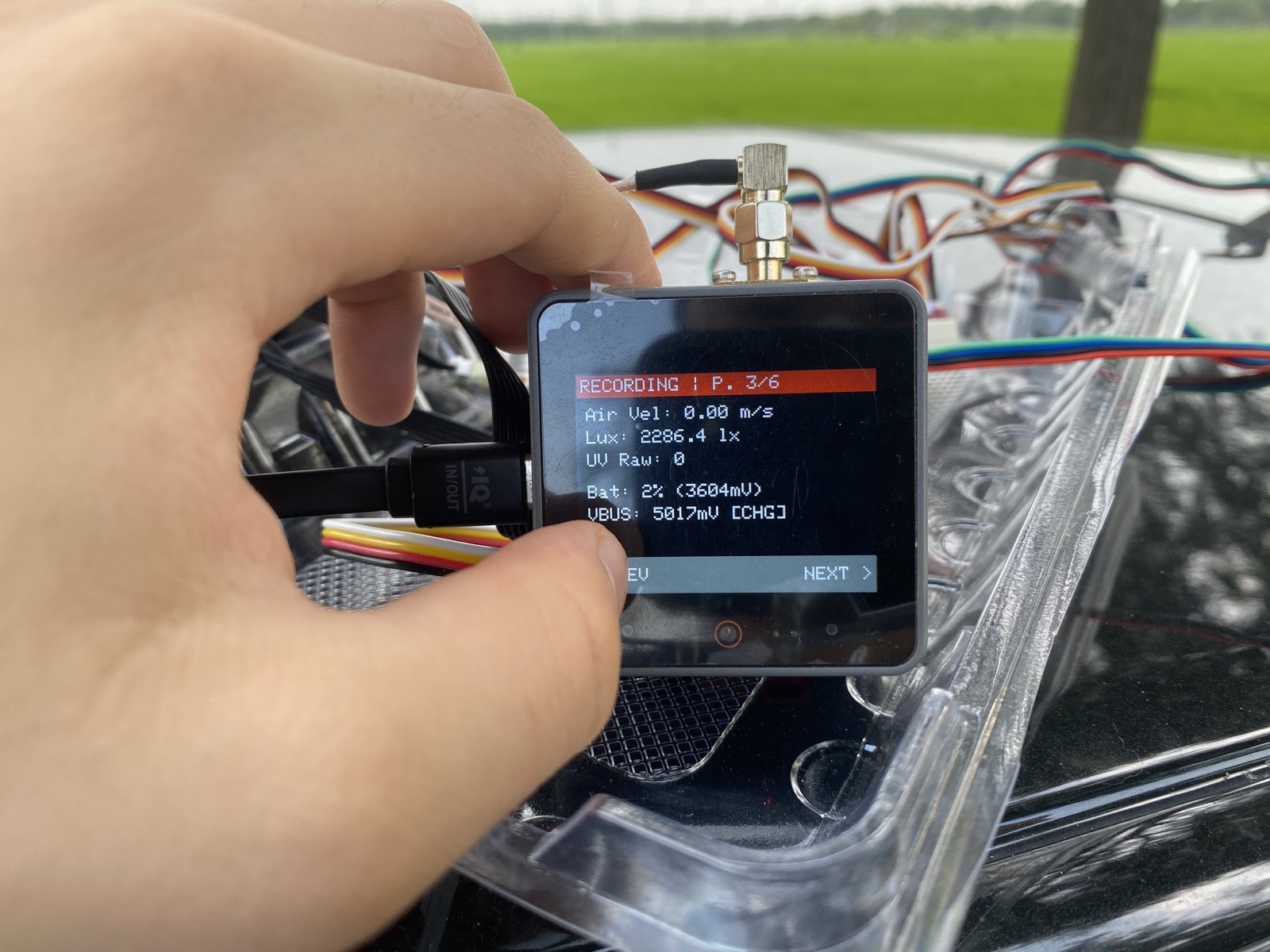
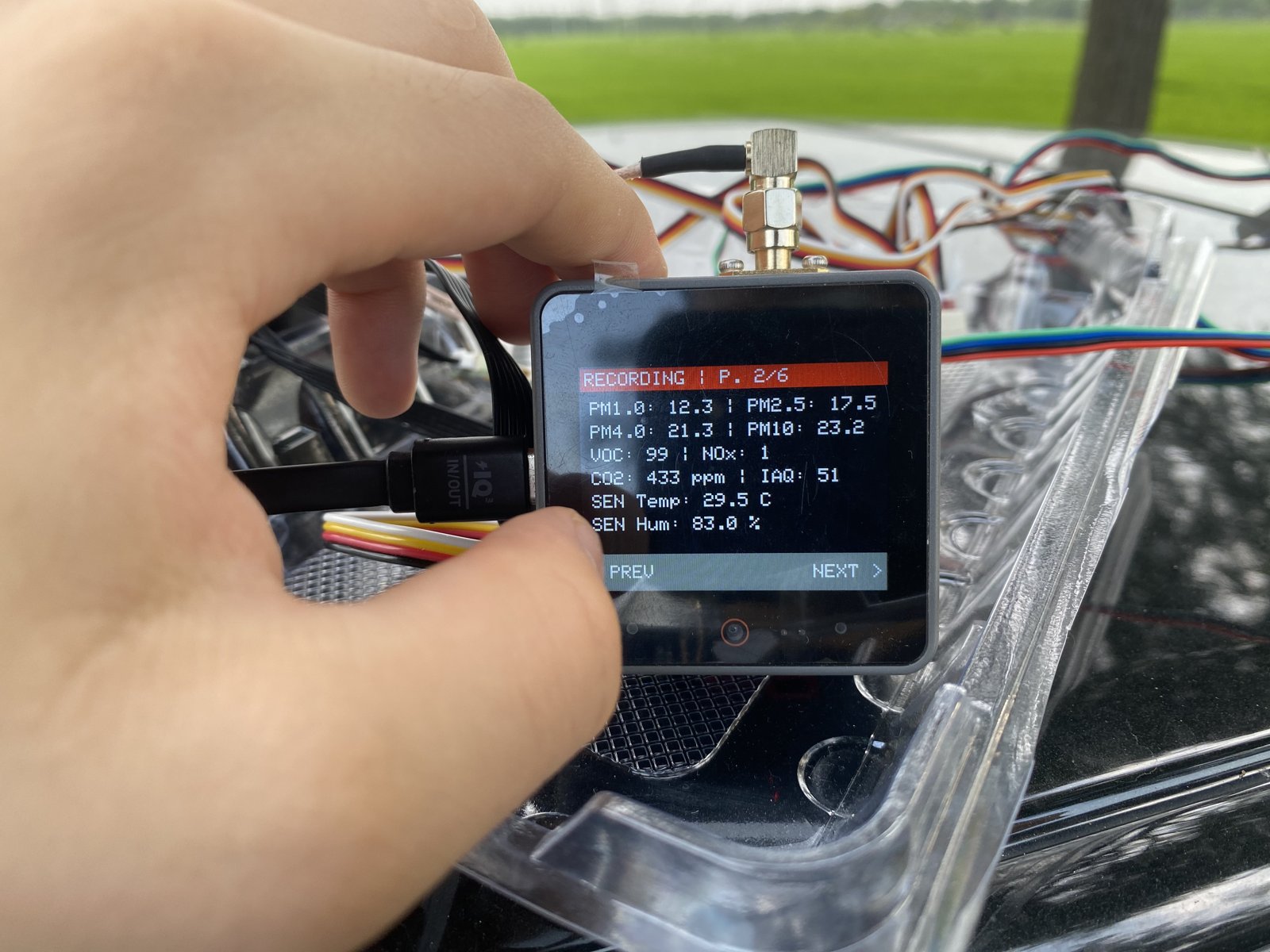
The current sensor array: wiring, enclosure, and screen.
The current sensor array: wiring, enclosure, and screen.
The current sensor array: wiring, enclosure, and screen.
The current sensor array: wiring, enclosure, and screen.
The current sensor array: wiring, enclosure, and screen.
The current sensor array: wiring, enclosure, and screen.
The current sensor array: wiring, enclosure, and screen.
The current sensor array: wiring, enclosure, and screen.
1 / 8
02 / Current project
CoreS3, SEN66, BME688—and a lot of wiring.
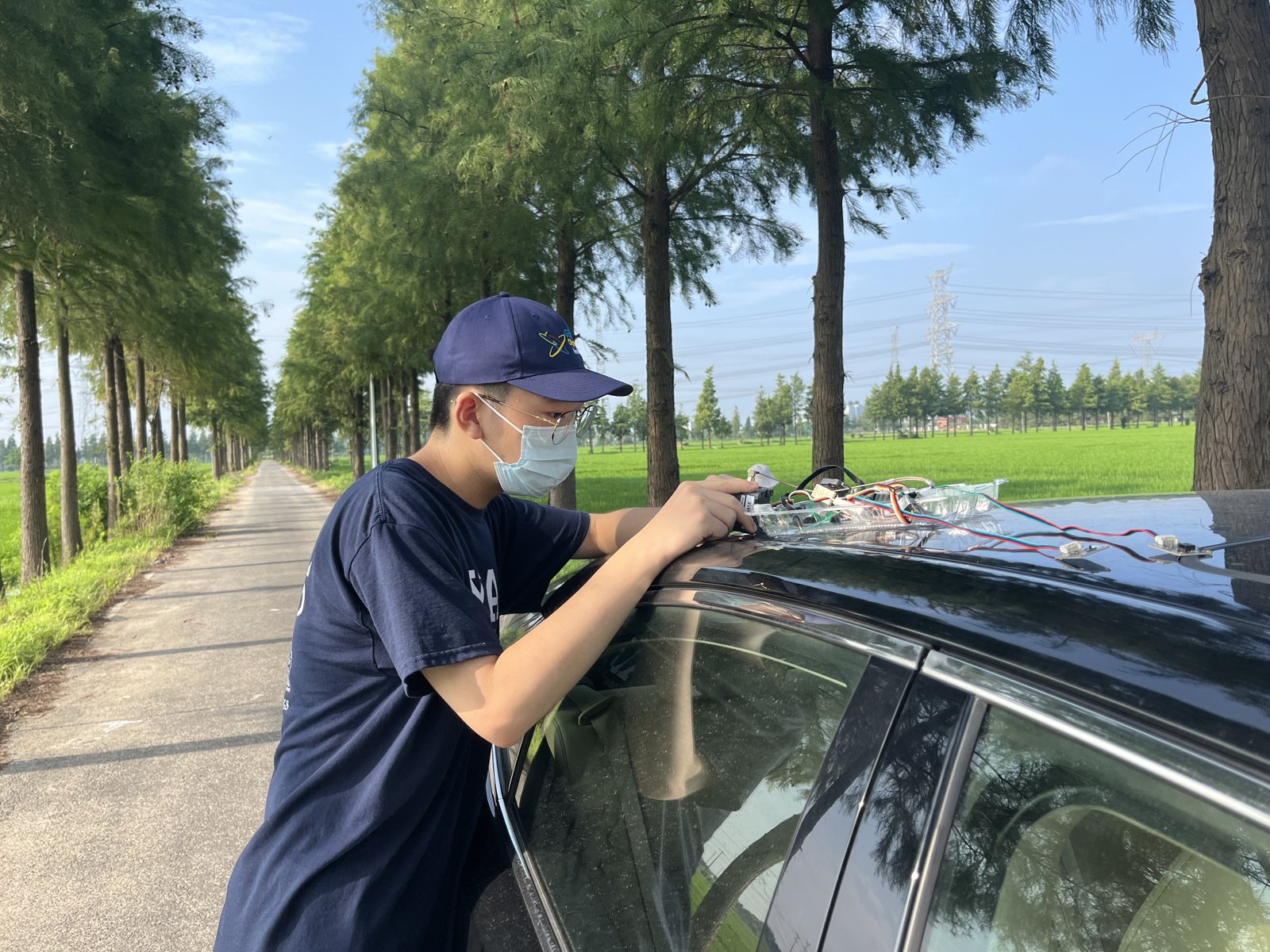
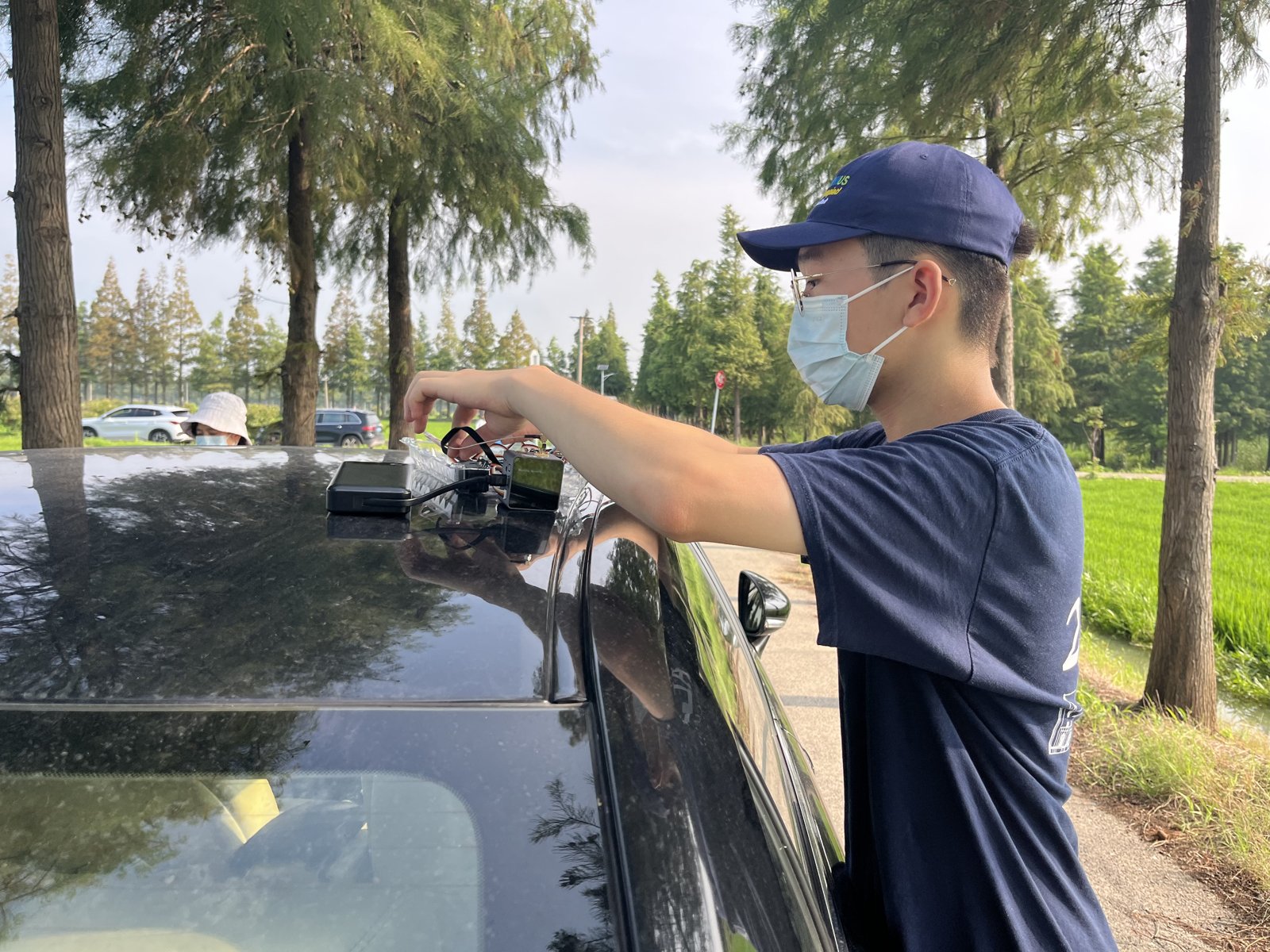
I’m combining particulate and VOC sensing with microclimate, light, and GPS data. The photographs show the electronics on a car roof and the readings on the screen. It is still a build in progress.
The immediate focus is broad air-pollution monitoring while biking, walking, or travelling in a car. Agriculture is one use case, but the array is designed for wider environmental measurement.
03 / Why make it mobile
Timelier data, collected by more people.
I’m exploring QGIS and AI-assisted processing to categorize broad pollution patterns across space. A low-cost system could make repeated measurements more practical for field studies and citizen science.
Relating these signals to pesticide levels remains a longer-term research question; the array has not demonstrated pesticide-specific detection. For now, I am testing what its air-quality readings can reliably show.