Making / 2024—now
A cut made room to move.
A low-cost robot for carrying sensors into drains, riverbanks, and canals that are awkward or unsafe to inspect directly.
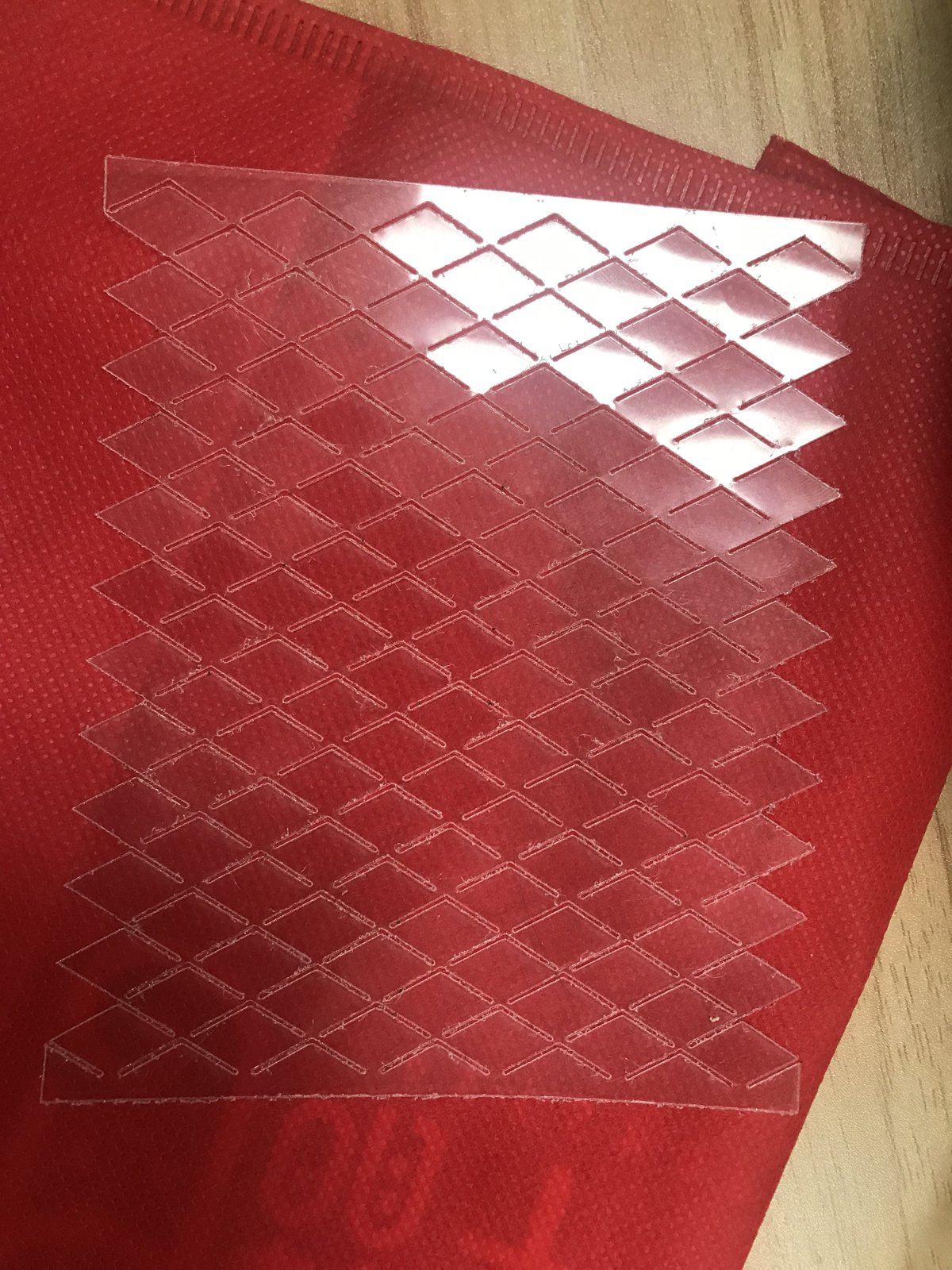
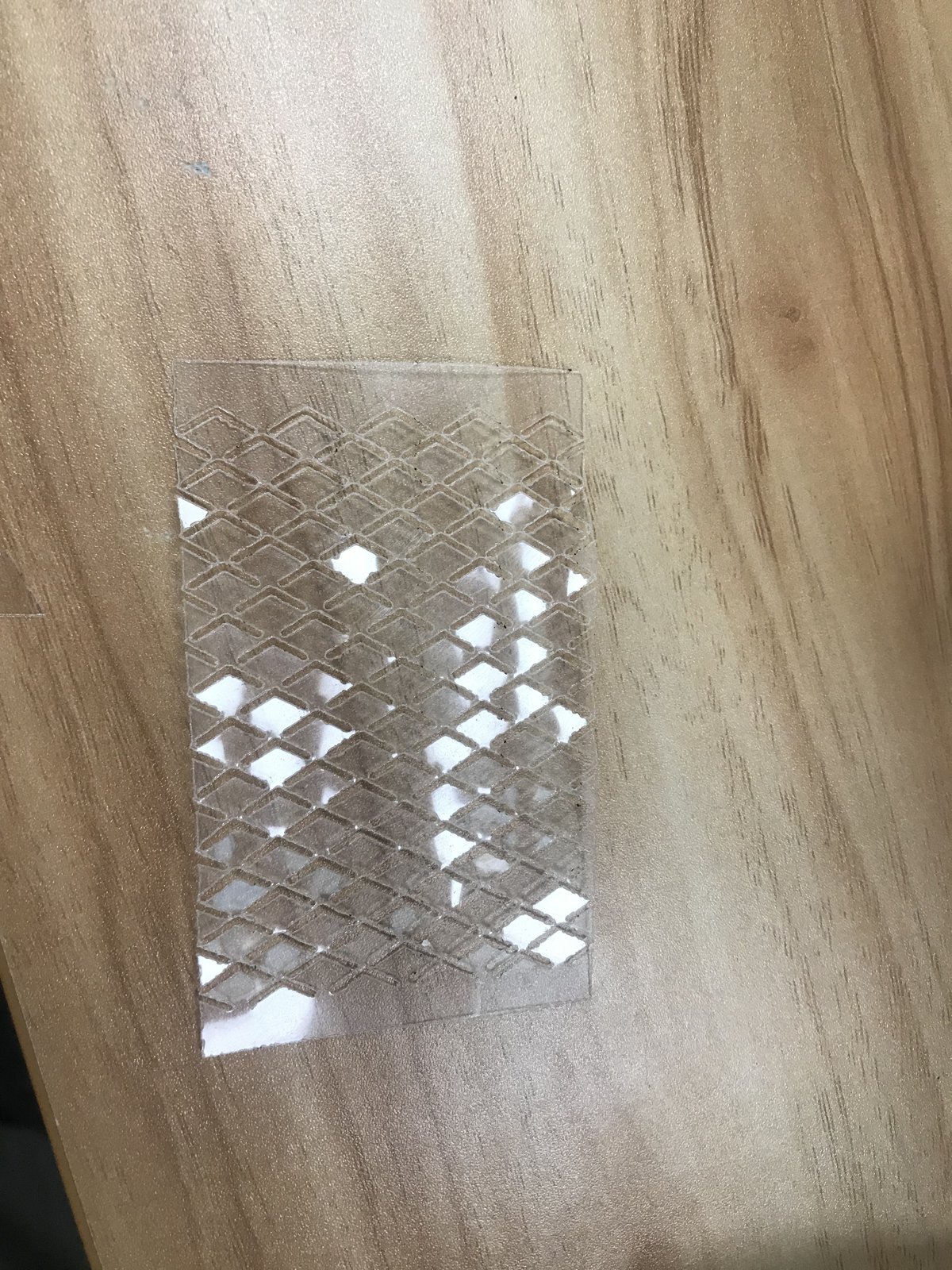
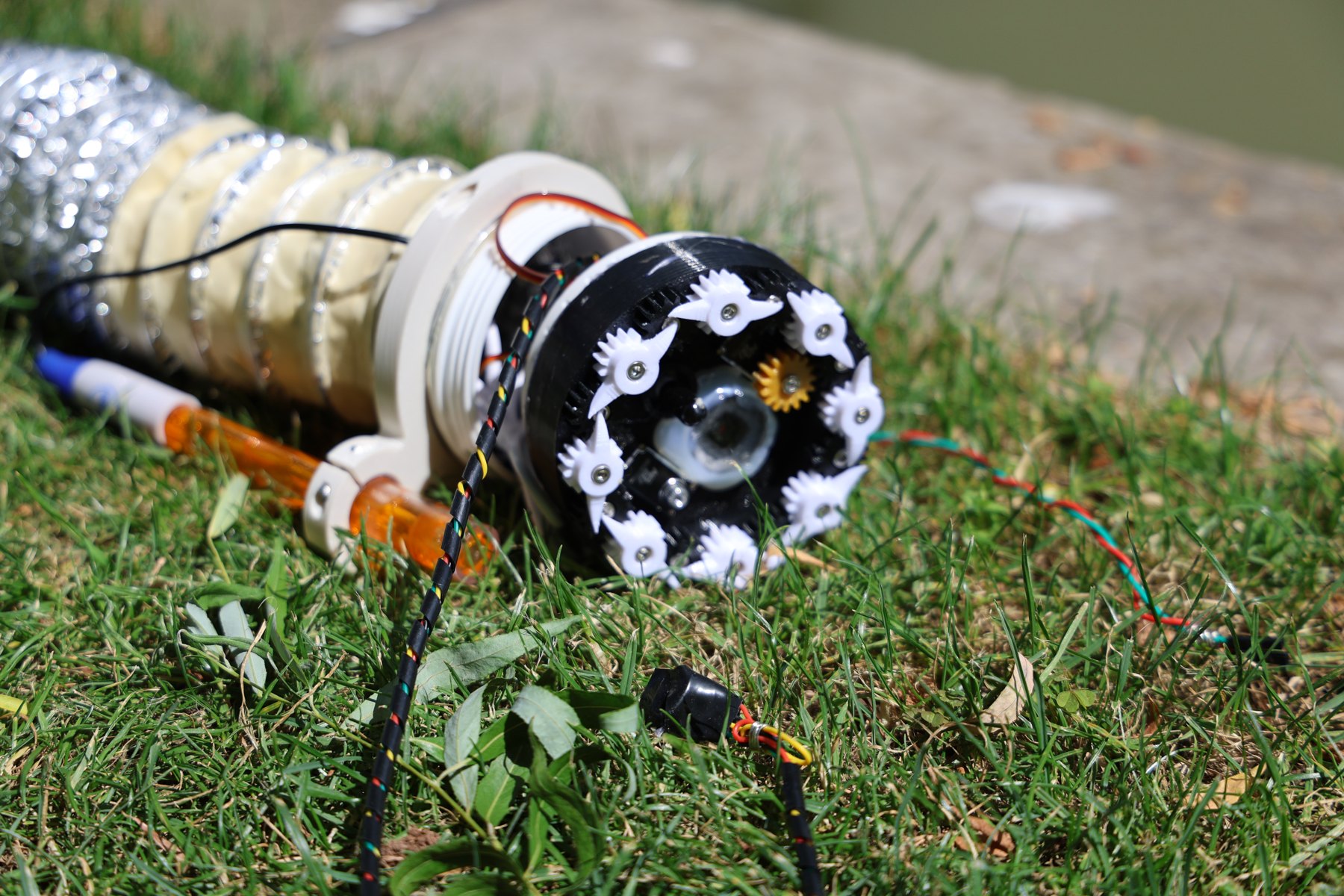
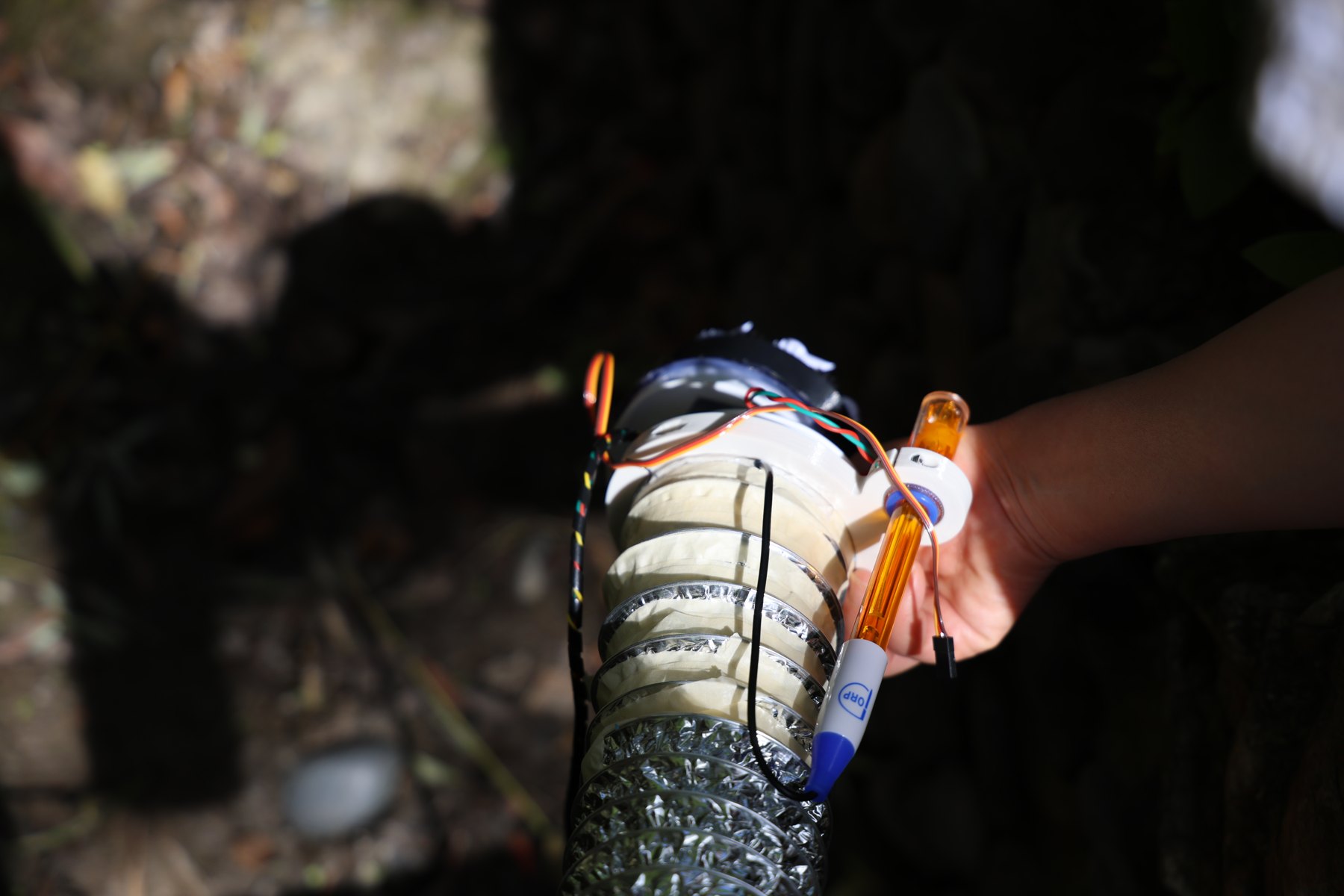
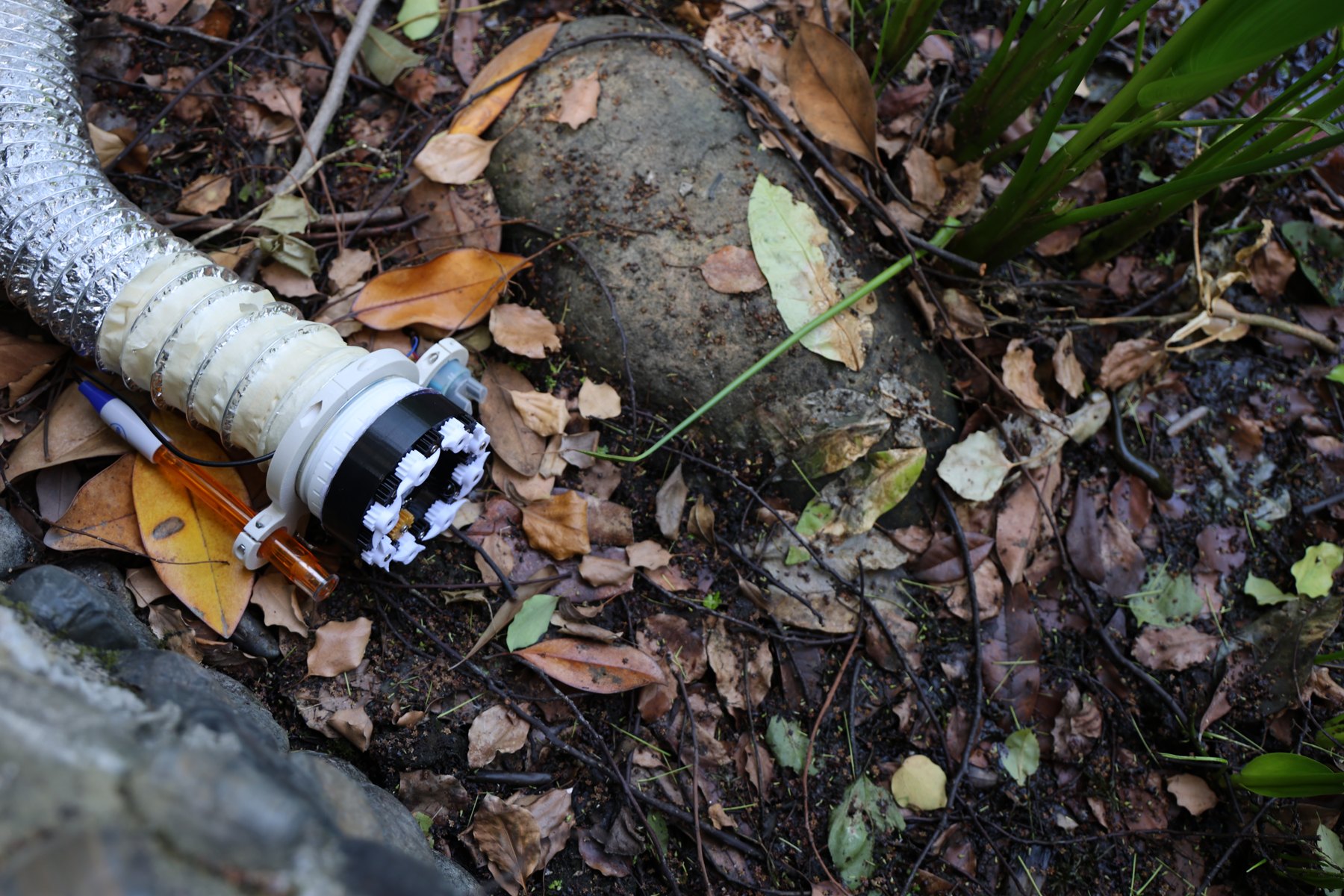
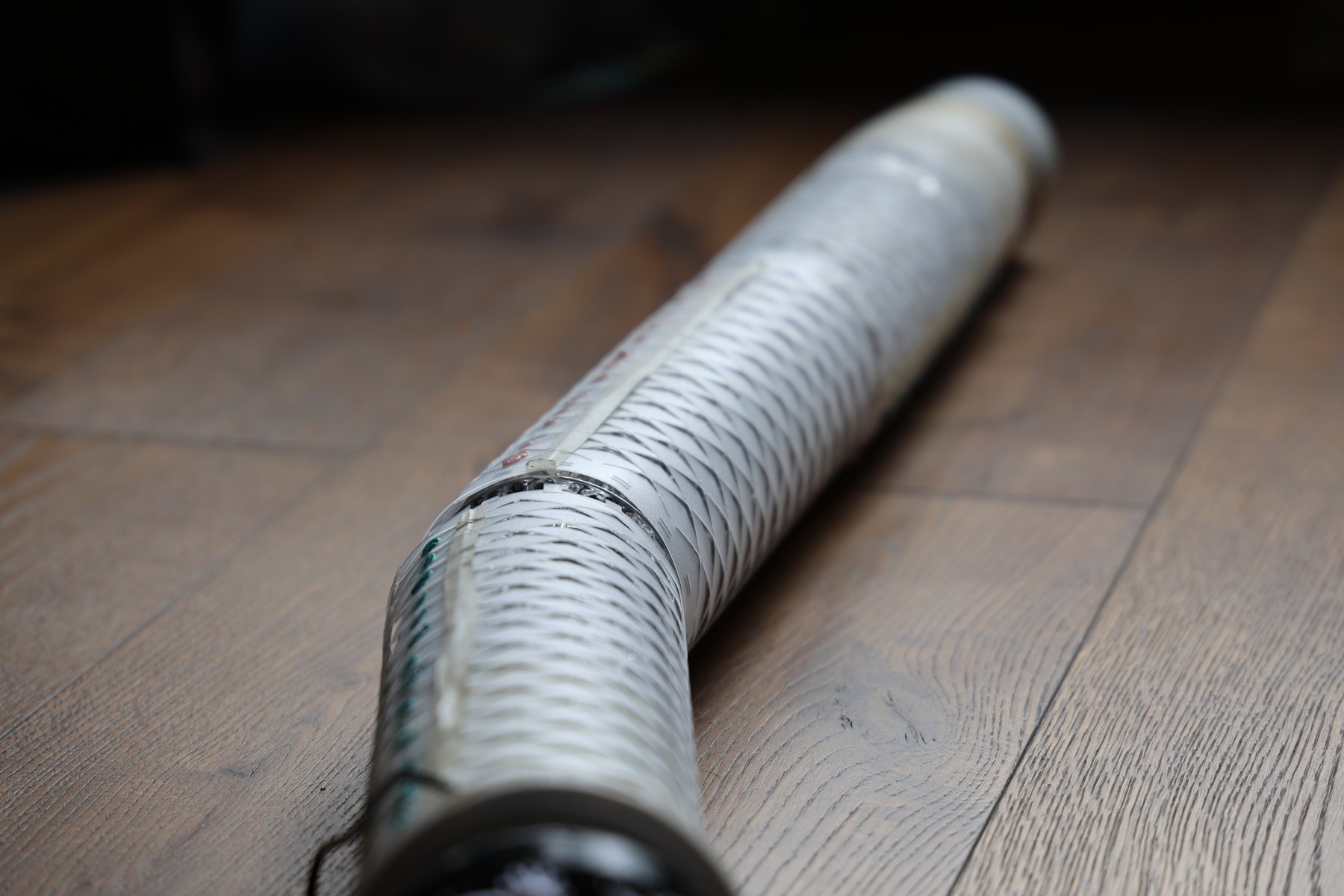
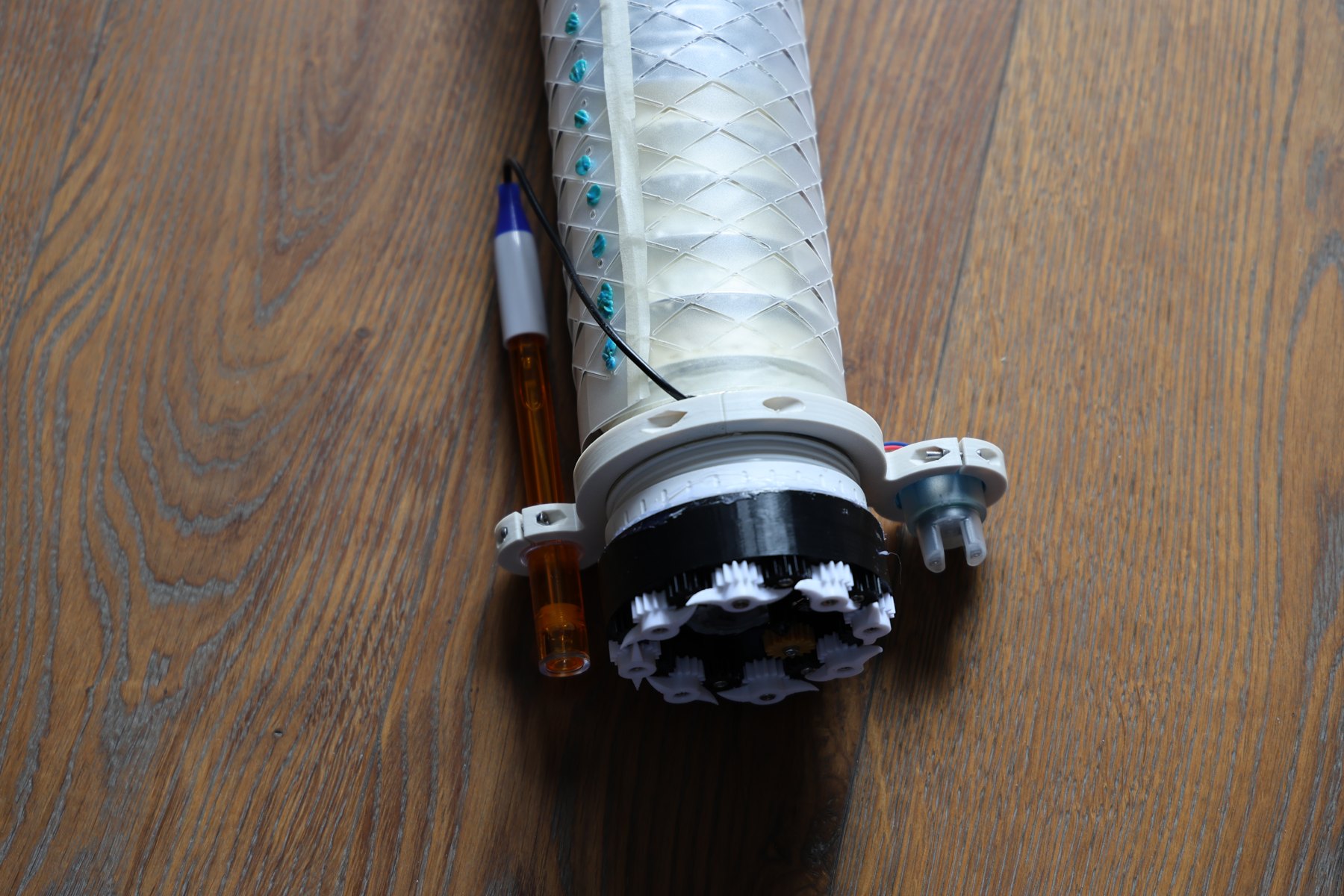
I modeled four main versions in SolidWorks and laser-cut each body from PET. The cuts let a flat sheet stretch around the mechanism; the low cost let me recut it whenever a trial exposed a problem.
I added odor, TDS, and ORP sensing, then tested movement and readings in drainage ducts and simulated odorous environments. The point was never movement alone. It was reaching somewhere a person should not need to enter.
Four iterations
Cut, move, sense, repeat.
- 01
Cut a pattern that opens without tearing.
- 02
Fit the body around a moving mechanism.
- 03
Add sensors without stopping the movement.
- 04
Test where water, odor, and tight spaces change the design.
What carries forward
Cheap enough to rebuild.
This project taught me to build around cost, access, and repair. That same frugal approach now shapes my mobile sensor array. A later robot version will explore accessible on-device AI inference while keeping the hardware practical to reproduce.
What came next / October 2025
The field changed the question.
A teacher at school connected me with a research team at ECUST. They invited me to join experiments tracing how pesticides distribute and dissipate after drone application.
During the October fieldwork, I worked on sampling, data correction, and methodology. It moved me from building a device for hard-to-reach places to asking how measurements should be collected and compared outdoors.